
Heavy Metal Contamination in Medicinal Plants: Sources, Plant Defense Mechanisms, and Implications for Human Health
-
Prachi Baliyan

Department of Bioscience and Biotechnology, Banasthali Vidyapith, Rajasthan, India, 304022
Kiran ChoudharyDepartment of Bioscience and Biotechnology, Banasthali Vidyapith, Rajasthan, India, 304022
Supriya Kumari SharmaDepartment of Bioscience and Biotechnology, Banasthali Vidyapith, Rajasthan, India, 304022
Afroz Alam
Department of Bioscience and Biotechnology, Banasthali Vidyapith, Rajasthan, India, 304022
| Received 14 Jan, 2026 |
Accepted 31 May, 2026 |
Published 30 Jun, 2026 |
Medicinal plants are employed extensively in traditional and contemporary healthcare systems, but heavy metal contamination seriously threatens their safety and effectiveness. The fact that both organic and inorganic materials from the air, soil, and water may be easily absorbed by plants and subsequently transferred up the trophic chain to humans makes this study important. The World Health Organization estimates that 65-80% of people worldwide rely on herbal items as their main source of medical care. This study explores the primary sources of heavy metal pollution, including industrial discharge, agricultural runoff, and atmospheric deposition, that contribute to the accumulation of toxic elements in therapeutic plant habitats. The synthesis of phytochelatins, the activation of antioxidant enzymes, and changes to root architecture are only a few of the physiological and biochemical defense mechanisms that plants employ in response to metal-induced stress. Despite these adaptations, prolonged or high-level exposure can impair plant growth and reduce the concentration of therapeutic phytochemicals. Moreover, the consumption of contaminated medicinal plants can cause bioaccumulation of heavy metals (HMs) in humans, posing risks like increased cancer susceptibility, neurological disorders, and organ damage. Addressing this issue requires stringent quality control, pollution mitigation strategies, and public awareness to safely use medicinal plant-based remedies.
| Copyright © 2026 Baliyan et al. This is an open-access article distributed under the Creative Commons Attribution License, which permits unrestricted use, distribution, and reproduction in any medium, provided the original work is properly cited. |
INTRODUCTION
A variety of plants are used by humans for their health benefits as major sources of natural nutrients and antioxidants, as well as an integral component of traditional medicine1. Compared with chemical-based pharmaceuticals, medicinal plants are less expensive and are used to treat various diseases around the world, including cardiovascular issues, arthritis, diabetes, and inflammatory diseases2. All traditional medical systems, including Ayurveda, Amazonian, Tibetan, African, Chinese, and Unani, that have incorporated phytotherapy into their philosophies utilize therapeutic plants. Herbs may be prepared in various ways to capitalize on their antioxidant qualities; infusion, decoction, maceration, and cataplasm are a few examples.
The beneficial effects of herbs for a range of medical conditions have been shown in several studies. For instance, Zuo et al.3 discovered that Malva sylvestris L. lowers the oxidative stress response and has a cardioprotective impact. Nepeta menthoides Boiss & Buhse, and Melissa officinalis L. have been shown to help treat anxiety, depression, and sleeplessness4,5. while spirulina (Spirulina plathensis) improved memory impairment by preventing oxidative stress6. The antioxidant properties of medicinal plants make them valuable in managing oxidative stress-related disorders, which are linked to conditions such as aging, PTSD, and Parkinson’s disease7.
Because traditional medicine is accessible, affordable, and culturally acceptable, most people in underdeveloped nations still turn to it for their fundamental medical needs8. It was9 reports that more than 60% of the global population relies on herbal treatments with even higher usage in several regions. Furthermore, Zahra et al.10 estimate that the international trade of therapeutic plants could reach a value of $5 trillion by the year 2050. However, with this growing demand, concerns regarding the safety of herbal products have emerged, particularly due to contamination by heavy metals11.
The toxicity of HMs has a major impact on ecological, evolutionary, nutritional, and environmental processes, making them significant environmental contaminants. Medicinal plants can become polluted with heavy metals from various sources, such as areas that are regularly irrigated with either treated or untreated wastewater, or locations near tailings piles and waste disposal sites containing metals. The use of sewage sludge as a soil amendment, industrial waste, traffic emissions, prolonged application of phosphate fertilizers, and poor irrigation practices are the main causes of the trace amounts of toxic heavy metals. Toxic metals such as lead (Pb), copper (Cu), cadmium (Cd), nickel (Ni), zinc (Zn), cobalt (Co), chromium (Cr), and arsenic (As) found in soils world9. These metal ions are persistent environmental pollutants and can severely contaminate soil and water systems12.
Often present as cations, heavy metals (HMs) have a strong interaction with the soil matrix and can become mobile due to environmental changes. Both roots and leaves accumulate more metals when the external medium's accessible metal concentration is higher11. Exposure to heavy metals causes various physiological, metabolic, and genetic changes in sensitive plants. It causes symptoms such as stunted growth, delayed seed germination, drooping leaves, decreased fruit output, and several other abnormalities13. In response to HM stress, plants also produce specific proteins, stress hormones, and antioxidants to counteract the damage. Secondary metabolite (SM) production can be altered as a result of HM stress14. Due to their widespread environmental presence, heavy metals can enter medicinal plants and subsequently the food chain, increasing the risk of human exposure5. Even though the detrimental effects of heavy metals on human health have long been known, exposure to these hazardous substances is still occurring and is even rising in some areas. Because medicinal plants have the potential to accumulate heavy metals, thorough research is necessary to shield consumers from harmful exposure levels15.
Although numerous studies have investigated heavy metal contamination in plants, the available information is often scattered and lacks a comprehensive perspective. Most studies address contamination sources, plant defense responses, or human health risks separately, with limited integration of these aspects in the context of medicinal plants. In particular, the impact of heavy metals on plant growth and metabolic status, including alterations in physiological processes and secondary metabolite production, has not been sufficiently synthesized in a unified framework. In this context, the present review aims to provide an integrated understanding of heavy metal contamination in medicinal plants by examining the major sources and pathways of contamination, their effects on plant growth, physiological and metabolic status, plant defense, and the potential implications for human health. By bringing these aspects together, this study seeks to address existing gaps and contribute to the development of effective strategies for monitoring, management, and safe utilization of medicinal plants.
MATERIALS AND METHODS
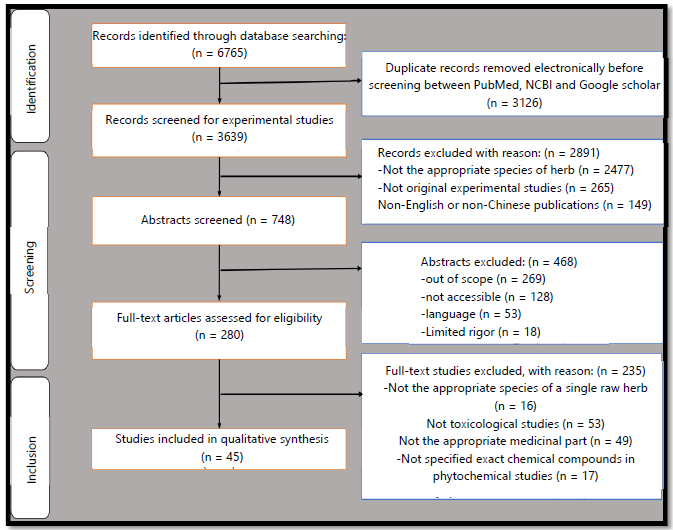
Following the Preferred Reporting Items for Systematic Reviews and Meta-Analyses extension for Scoping Reviews (PRISMA-ScR), the current scoping review was carried out. The search approach was carried out by three authors (PB, KC, and SKS). MEDLINE/PubMed, Google Scholar, SpringerLink, Scielo, and Redalyc were the database sources examined; the research were published between 2000 and 2025. “Medicinal plants,” “herbal medicine,” “Secondary metabolites,” “plants,” “traditional medicine,” “plant extracts,” “antioxidant,” “oxidative stress,” “anti-inflammatory,” “inflammation,” “oxidative damage,” “human health” “heavy metal,” and “toxicology,” were the search terms employed. For possible studies, the review papers' reference lists were carefully filtered. Regardless of the type of experimental study (e.g., in vitro and in vivo), original experimental research on contamination of heavy metals involving the antioxidant studies published in English or Chinese were considered for inclusion.
Following the above-indicated search methodologies, 6765 experimental studies were found. The total researchs were 45 that met the inclusion criteria and were included for analysis. The selection procedure for the included studies is described in full in Fig. 1. Data extraction was done separately for each of the chosen articles. The following factors were taken into account: (1) Plant scientific names, (2) Plant common names, (4) intervention type, (5) comparator, (6) population and sample size, (7) intervention duration, (8) primary outcomes on the scoping review questions, (9) author(s) and publication year, and (3) origin/country of origin.
Quality assessment and risk of bias: The included papers' methodological quality was assessed using accepted guidelines for experimental rigor and best practices in phytopharmacological research. The quality of the studies varied quite a bit. Many studies lacked thorough phytochemical characterisation, extract standardisation, and botanical authentication, even when some reported suitable controls and statistical analyses. Limited disclosure of the rationale for blinding, randomization, and sample size raises the possibility of bias in several instances. These methodological flaws highlight the need for more standardized and properly planned future research and may have an impact on the repeatability and translational applicability.
|
Sources of heavy metal contamination: Heavy metal contamination poses a major threat to human health and the environment. There are several natural and man-made ways that these harmful substances enter ecosystems. Developing successful mitigation and prevention methods requires an understanding of these sources. Below is a list of the main causes of heavy metal contamination.
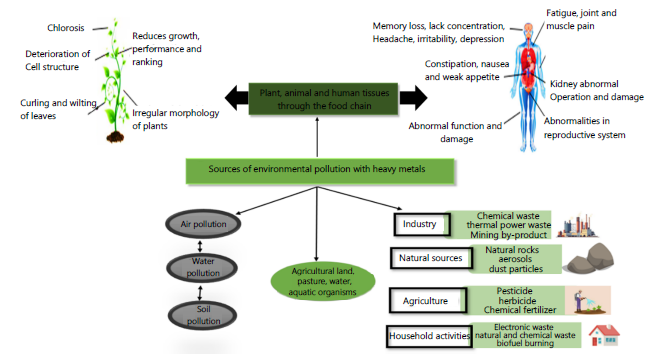
Natural sources: Although human activity introduces a lot of heavy metals, environmental contamination can also come from natural sources. For instance, significant concentrations of HMs like Hg and Pb can be released into the atmosphere during volcanic eruptions. As rocks and minerals deteriorate naturally, trace metals are also progressively discharged into surrounding soils and water bodies (Fig. 2). High quantities of heavy metals are natural in some geological formations, causing localised pollution without the need for human intervention16.
Industrial activities: Mining and metal smelting are two major industrial activities that contribute to heavy metal contamination. When ore is extracted, refined, and waste is disposed of, these operations release dangerous elements into the environment, such as As, Cd, Pb, and Hg. Levels of contamination are further increased by emissions and effluents from the chemical, electrical, and metallurgical production sectors. Leaks and spills at industrial sites are examples of accidental discharges that frequently cause serious environmental harm. Additionally, construction and demolition projects have the potential to unearth and release previously buried heavy metals, and building materials themselves may contain hazardous elements. Industrially impacted soils frequently contain heavy metal contaminants such as lead (II), Arsenic (II), Chromium (III), Zinc (II), Copper (II), Mercury (II), Cadmium (II), and Nickel (II)18.
Agricultural practices: The other major way that heavy metals enter the environment is through agriculture. Metals like cadmium and mercury are frequently found in fertilizers and pesticides, and they gradually build up in the soil. These pollutants can enter adjacent water bodies through runoff from agricultural areas, harming aquatic life and human health. Furthermore, animals that consume contaminated feed may collect heavy metals, which are subsequently added to soils by applying manure. de Vries et al.19 report that the routine use of fertilizers and animal manure in European farming contributes considerable quantities of lead, copper, cadmium, and zinc to the soil. Because of heavy metal contamination, approximately 137,000 km2 of agricultural land around Europe is deemed unfit for food production20.
|
| Table 1: | Heavy metal types, their impacts on human health, and the acceptable exposure limits25 | |||
| Pollutants | Sources | Effect on Human Health | Permissible levels |
| As | Metal smelters, fungicides, and pesticides |
Poisoning, dermatitis, and bronchitis | 0.02 |
| Cd | Fertilizer, welding, pesticides and electroplating |
Lung cancer, lung disease, kidney damage, bone abnormalities, bone marrow, and renal dysfunction |
0.06 |
| Cr | Origins of minerals and mining sites | Nervous system injury and irritability | 0.05 |
| Cu | Pesticides production, mining, and the chemical industry |
Anaemia, gastrointestinal distress, and damage to the liver and kidneys |
0.1 |
| Hg | Pesticides, batteries, and the paper industry |
Gingivitis, spontaneous abortion, tremors, protoplasm toxicity, and nervous system damage |
0.01 |
| Mn | Ferromanganese production, welding, and fuel addition |
Central nervous system injury from inhalation or touch |
0.26 |
| Pb | Paint, tobacco use, pesticides, mining, coal combustion, and vehicle emissions |
Childhood mental retardation, fatal neonatal encephalopathy, delayed development, kidney damage, long-term nervous system damage, and liver damage |
0.1 |
| Zn | Refineries, metal plating, and brass manufacture |
Dermatitis and nervous system injury | 15 |
Urbanization and traffic emissions: Traffic emissions and infrastructure development in urban areas are major contributors to the accumulation of HMs. Metals, including zinc, copper, and cadmium, are released by vehicle wear, including brake pad and tyre degradation. The burden is increased by the corrosion of metal infrastructure and engine parts. These pollutants enter storm drains and neighbouring habitats through urban runoff. Heavy metals are released by urban industrial zones through wastewater and exhaust gases. According to studies, roadside soils frequently have higher than WHO-recommended levels of lead and cadmium, especially in proximity to populated areas21.
Wastewater irrigation and sewage sludge: Large volumes of heavy metals can be released into the environment when sewage sludge and untreated or poorly managed wastewater are utilized in agriculture. High levels of hazardous metals have been found in e-waste and municipal garbage leachates, which can affect nearby soils and groundwater22.
Atmospheric deposition: Lastly, one important route for the long-distance movement of heavy metals is atmospheric deposition. Toxic metal-containing airborne particles are released by automobiles and industrial processes, and these particles eventually fall to land and water as precipitation. Particularly in agricultural regions close to industrial zones, this process is a significant cause of contamination in locations distant from the initial source of pollution23. According to Favier et al.24, all parts of the environment have become polluted with various contaminants, including heavy metals (HMs), due to interactions among environmental components and a variety of natural and human-related sources. As a result of this pollution, plants inevitably become contaminated, taking up metals from the soil, water, or air (Fig. 2). Heavy metals can build up in organisms and endanger human health because of the consumption of these plants along the food chain. The various forms of heavy metals, their effects on human health, and the acceptable exposure levels are shown in Table 1.
Uptake and accumulation in medicinal plants
Uptake of heavy metals: The HMs can enter the plant's body by foliar and root uptake. Soil-root transfer is the primary mechanism influencing the metal concentrations in the various plant organs when comparing the two exposure pathways. Both pathways can be used at the same time in places with a lot of traffic, mining activity, or industrial activity. Unlike the air-leaves-stem pathway, a lot of research has been done on the soil-root transfer26.
Soil uptake: When heavy metals (HMs) occur in the soil, they initially attach to the surfaces of plant roots. Following this, water molecules naturally move into and diffuse through the metals. Another possible process involves active transport, where movement occurs along a concentration gradient. The physico-chemical properties of the soil, such as its particle size and cation exchange capacity (CEC), significantly influence metal availability. The solubility, bioavailability, and toxicity of heavy metals (HMs) all depend on the pH of the soil. At low pH values, metals are more readily available in their free ionic forms, but as the pH increases, they tend to form poorly soluble phosphates and carbonates27. The bioavailability and biosorption of HMs can also be influenced by microbial activity. The distribution of metals within plant organs can further affect their presence and potential toxicity. The levels of several heavy metals (Ni, Zn, Fe, Cu, Mn, Cr, and Pb) in the stems, roots, and leaves of Amaranthus spinosus and Datura stramonium were measured in a study conducted by Olowoyo et al.28. They observed a decreasing trend in metal concentrations from root to stem to leaf. Conversely, heavy metals can also accumulate in above-ground plant parts. Pehoiu et al.29 explored the uptake and movement of HMs in therapeutic plants such as Taraxacum officinale and Plantago major, finding notable concentrations of Mn, Cd, and Pb in the leaves.
Foliar uptake: Airborne pollution is a comparatively under-discussed exposure mechanism. According to their aerodynamic size, atmospheric particulate matter (PM) is divided into three groups: ultrafine particles (UFPs) or PM0.1fine particles (PM2.5), and coarse particles (PM10). These groups have sizes that range from 2.5 to 10 μm, less than 2.5 μm, and less than 0.1 μm, respectively. While the characteristics, fate, and toxicity of UFPs are still emerging issues, the PM10 and PM2.5 fractions are more extensively studied and understood. The size of the particles is important because PM can adsorb potentially harmful substances, such as heavy metals. Smaller particles, especially fine particles, possess a larger surface area, allowing them to hold more contaminants and thus posing greater risks. Srivastava and Jain30 discovered that the PM0.7 fraction contained most of the metal mass, including Ni, Mn, Cd, Pb, Cr, and Fe, in an urban sample. Similarly, Hu et al.31 observed that tiny particles had a higher concentration of lead than coarse particles when they examined the uptake of lead by plant leaves from nine distinct size-separated aerosol stages.
There are two possible sources of atmospheric heavy metals: natural (forest fire) and anthropogenic (mine, waste incineration, etc.). Brake dust is another significant source of. Pb and Cd continue to be the most common elements in atmospheric aerosols that have the potential to be harmful. The possible toxicity of atmospheric PM is further influenced by the presence of redox-active trace elements as Cr, Co, As, and Ni. However, there is a seasonal pattern in the HMs content of atmospheric PM; for instance, Pb, which is mostly sourced from human activity, is present in higher amounts between the spring and winter32. Much less study has been done on the intake of heavy metals via air fallout than on soil-to-root transmission. Plants may be exposed to airborne particulates by wet or dry deposition; in the latter case, the particles are removed by rain, snow, or fog. For a variety of heavy metals, Pan and Wang33 investigated the importance of both dry and wet deposition fluxes and discovered that dry deposition was the most prevalent mechanism for many of them. However, the relative contributions of wet and dry deposition fluxes differed by sampling location for several heavy metals, including lead, cadmium, nickel, zinc, and arsenic.
| Table 2: | Factors associated with the mechanism by which plants absorb heavy metals17 | |||
| Characteristics | Factors | Description |
| Soil characteristics | pH levels | The availability of metals to plants is significantly influenced by the pH of the soil. While elements like Cd and Pb are frequently more accessible in acidic soils, metals like Ni and Zn may be more mobile in alkaline soils. Metal speciation is impacted by soil pH, which also impacts the solubility and absorption of metals |
| Soil texture | Whether the soil is sandy, loamy, or clayey, its texture has an impact on drainage and water retention. For instance, sandy soils may let metals leach more readily since they often have a lower cation exchange capacity (CEC). Higher CEC clay soils have the potential to hold onto metals, which affects their availability |
|
| Organic matter content | Metals' mobility and bioavailability may be impacted by binding with organic materials in the soil. While low organic matter may increase metal mobility, high organic matter tends to decrease metal absorption by forming complexes |
|
| Metal characteristics | Chemical form | The chemical composition or speciation of metals in the soil affects how readily available they are to plants. Metals can be complexes, free ions, or bonded to soil particles, among other forms. Free metal ions are more likely to be absorbed by plants than complexed or precipitated metal ions. |
| Redox potential | The speciation of metals is affected by the soil's redox potential, which reflects its oxidative or reductive state. Metals like Fe and Mn become more soluble under reduced conditions, which affects their availability for plant absorption |
|
| Plant-related factors | Plant species | A variety of plant species have different affinities for particular metals. Certain species may accumulate large amounts of specific metals without becoming noticeably poisonous because they are hyperaccumulators. For the purposes of phytoremediation and sustainable land management, it is essential to comprehend the metal absorption properties of certain plant species |
| Root characteristics | Metal absorption is influenced by the shape and structure of plant roots. Extensive root systems enable plants to more efficiently obtain metals and explore wider soil volumes. Metal absorption can also be improved by mycorrhizal symbiosis and root filaments |
|
| Physiological responses | When plants experience metal stress, several physiological mechanisms are activated. Plants produce substances called glutathione, phytochelatins, and metallothioneins that chelate and detoxify metals, reducing any possible negative effects |
|
| Environmental conditions |
Temperature and moisture |
The soil's chemical reactions and microbiological activity are influenced by environmental factors, including moisture and temperature. These variables then affect metal availability and absorption. Microbial activity may be increased by warmer temperatures, which might affect metal reactions. |
| Aeration | Microbial activity and root respiration depend on adequate soil aeration. The mobility and uptake of specific metals can be influenced by reducing environments created by waterlogged conditions, which are frequently linked to low oxygen levels |
|
| Competing ions | To be absorbed by plant roots, metal ions may compete with other ions in the soil solution. The bioavailability and absorption of heavy metals can be impacted by the presence of large concentrations of other ions or vital minerals |
According to Muezzinoglu and Cizmecioglu34, wet deposition generally exhibits seasonal variability and is highly dependent on the local precipitation pattern. Metals involved in the deposited particles can be absorbed by stomatal penetration and internalization through the cuticle. Different species will show varying degrees of HM absorption efficiency since leaf shape significantly affects how much PM plants can absorb and retain. The most important morphological traits are the thickness, size, form, roughness, and presence or absence of leaf hairs in the epicuticular wax layer35.
Accumulation of heavy metals: According to research, the amount of heavy metals (HMs) that accumulate in the tissues of medicinal plants varies depending on the metal and plant species. Medicinal plants possess adaptive mechanisms that allow them to thrive in highly polluted environments. For instance, it was36 discovered that Lavandula spica leaves had substantial amounts of Pb, Zn, and Cd, but Ocimum basilicum roots had large quantities of the same elements. Lavandula angustifolia was shown to accumulate metals mostly in its stems and roots in a study conducted by Bai et al.37. However, Dinu et al.38 found that Ocimum basilicum retained heavy metals in its organs in a different way: Zn(II), Cu(II), and Ni(II) were concentrated in the flowers, while Cd (II), Cr (III), Co (II), and Pb (II) mostly accumulated in the roots. The study also found that Cr (III) and Pb (II) levels in the roots exceeded permissible limits. Similarly, Fattahi et al.39 found that the leaves and roots of Ocimum basilicum had higher concentrations of lead (II) and Cd(II) than other plant components, with the leaves having higher levels of Cd(II) and Pb(II) than the roots. When exposed to Cd (II) stress, Hashemi et al.40 found that Lavandula stoechas L., accumulated ions primarily in the aerial portions, especially the leaves. According to a different study on Lavandula spica L., the roots were better able to absorb Cd than other areas, and accumulation increased as the content of Cd (II) in the soil increased. These results emphasize how crucial it is to take plant species into account when evaluating heavy metal contamination. The effects of heavy metal exposure on the synthesis of secondary metabolites in medicinal plants require more research. The medicinal qualities of plants may be impacted by differences in the amount and quality of these substances. Therefore, understanding the effects of HM's contamination on secondary metabolite formation is critical41.
Factors affecting accumulation in medicinal plant species: Multiple factors across the environmental and physiological ranges of plants affect the complicated and dynamic process of heavy metal uptake by plants. Developing an understanding of these elements is crucial for controlling and minimising possible contamination as well as for understanding the complexity of metal uptake. Table 2 discusses some of the major elements affecting the absorption process.
Significance of medicinal plants' antioxidant properties and their relationship to heavy metals: According to estimates, abiotic stress can reduce global crop production by up to 70% annually, which is worrying given the population increase. Various forms of environmental pollution enhance the stress that abiotic forces exert on plants. It is essential to comprehend how medicinal plants react to abiotic variables, particularly HMs, to improve crop yields in terms of both quality and quantity. This knowledge allows for effective intervention. If the antioxidant systems do not adequately respond to the level of abiotic stress the plant experiences, these stressors can damage plant tissues and ultimately threaten the plant’s survival. Plants employ various complex survival strategies. For instance, when exposed to high levels of stress, plants may activate PCD (programmed cell death) as a genetically controlled mechanism to endure the stress27. The ROS (Reactive oxygen species), which serve as mediators of the stress response, tend to accumulate in higher concentrations along the PCD pathway. The type of metal ion and the tolerance of the plant species can affect the defense responses of the plant. The accumulation of heavy metal ions generally begins in the soil and is absorbed by the roots, from where signals are sent to other plant tissues to produce compounds capable of neutralizing the metals. For example, the epidermis's secretory cells and epidermal trichomes release essential oils. Specialised cells found within the plants, such as laticifers, idioblasts, or epithelial cells, also produce lipophilic compounds in addition to trichomes5.
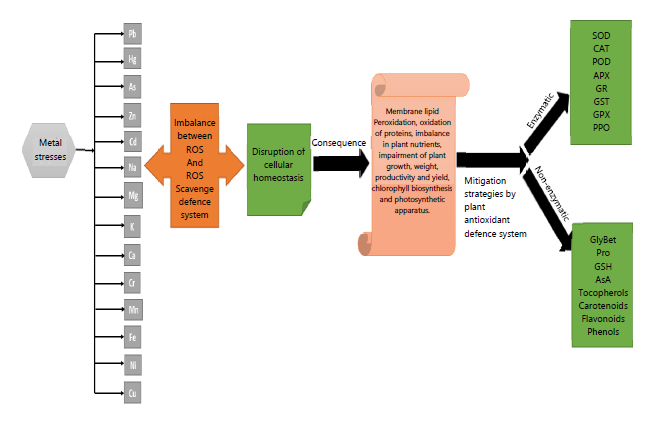
Medicinal plants react differently to abiotic stresses such as heavy metals. The first step involves detecting the stressor, which is then translated into a signal and sent to the cell receptors. Following this, the plant initiates a series of processes aimed at counteracting the stressor. The kind and severity of the stressor, as well as the plant's capacity to lessen it by changing its molecular, physiological, and biochemical states, all influence these responses. Although heavy metals can cause stress to medicinal plants, the degree of harm varies based on the metal's concentration and type. Naturally, the result is also influenced by the plant's capacity to withstand these shocks. In the literature, HMs have been found to disrupt the normal functioning of therapeutic plants through a number of mechanisms. These include: substituting essential elements, which results in enzyme dysfunction; disrupting protein function by binding to functional sites; or overwhelming the plant's capacity to cope by producing excessive reactive oxygen species (ROS). Through the Fenton and Haber-Weiss reactions, redox-active metals like Fe and Cu can directly increase the formation of ROS23. Medicinal plants are susceptible to abiotic stresses that damage tissues at the cellular level, which can impact plant growth, productivity, or even life. As previously stated, these stressors cause ROS to accumulate, which interacts with metabolites and cell components to cause irreversible metabolic abnormalities and necrosis. By triggering the apoptotic signal through lipid peroxidation, enzymatic activity inhibition, nucleic acid damage, or protein oxidation, elevated ROS generation might also result in cell death41.
Oxidative stress occurs when the impact of HMs is severe enough to disrupt the balance of the redox system. In such cases, the plant's antioxidant defense system becomes overwhelmed, leading to an increase in the production of ROS. Certain HMs that fall within the category of non-redox active metals, like Pb, Zn, and Cd, also indirectly enhance the concentration of ROS. The suppression of enzymes that are a component of the plant's cellular antioxidant defense system is one instance of indirect ROS development23. The ratio of ROS generation to clearance determines how much ROS builds up in medicinal plants. Numerous environmental conditions, including soil salinity, water availability, temperature fluctuations, light intensity, and the presence of pesticides or HMs, affect this balance. Heavy metals can also restrict CO2 fixation in chloroplasts, which is another harmful consequence and a major source of ROS formation, in addition to the excessive decrease of the electron transport chain (ETC) in photosynthesis27.
Plants experiencing oxidative stress due to heavy metal pollution require metalloenzymes with antioxidant properties to maintain optimal growth and development within the context of ROS metabolism. Key metalloenzymes involved in this process include catalase (CAT), superoxide dismutase (SOD), xanthine oxidoreductase (XOR), and ascorbate peroxidase (APX). As previously mentioned, trace elements are essential for living organisms in small amounts, but when these elements exceed the plant's required threshold, they can induce oxidative stress. For example, the synthesis of CuZn-SOD (copper-zinc superoxide dismutase), which is necessary for healthy plant growth, requires copper (Cu) as a cofactor. However, excessive Cu levels can become a stressor, leading to several negative effects on plants42.
|
Plants mitigate oxidative damage from heavy metals (HMs) by activating their ROS-scavenging mechanisms through the production of antioxidant enzymes and non-enzymatic antioxidants (Fig. 3). To mitigate the toxicity of accumulated metal ions, their bioavailability in plant cells is reduced through chelation or complexation with ligands. Ahmad et al.43 observed that in Ocimum basilicum L., both the MDA (malondialdehyde) content and nitro oxidative response increased with rising concentrations of HMs (Zn, Cu, Ni) in the soil. A strong correlation was found between hydrogen peroxide (H2O2) levels and the activity of SOD, APX, and CAT. Additionally, as heavy metal concentrations increased, levels of chlorophylls, anthocyanins, and carotenoids decreased when compared to control plants. Other studies investigating the impact of different heavy metal concentrations in growth systems on enzymatic and non-enzymatic antioxidants, in particular medicinal plants, are compiled in Table 3.
Heavy metals' impact on medicinal plant growth and metabolic status: Oxylipins are produced as a result of lipid oxidation processes carried on by heavy metal stress. The signal transduction process for the plant defence system is initiated by oxylipins. One of the main defence mechanisms of plants is the activation of biosynthesis and accumulation of secondary metabolites, including terpenoids, alkaloids, and phenylpropanoids44. An understanding of the complex signalling network brought on by different environmental stresses and their patterns of similarities is shown in Table 445.
When exposed to heavy metals, plants react differently in terms of the synthesis and accumulation of bioactive molecules. The biosynthesis of secondary metabolites is adversely affected by heavy metal stress in certain species, such as Matricaria recutita. On the other hand, under comparable circumstances, other plants show increased production of these chemicals. Research has reported that heavy metals can stimulate secondary metabolite synthesis in specific medicinal plants (see Table 5)43. However, the safety of using heavy metals to boost metabolite production depends on which part of the plant is intended for consumption11.
Human health risks: When consumed, inhaled, or, in certain situations, applied topically, heavy metals like arsenic, cadmium, lead, chromium, mercury, silver, selenium, and barium can be extremely harmful to one's health. Although naturally occurring, industrial processes and environmental contamination can result in hazardous amounts of some metals. Exposure to plants is especially dangerous since pollutants can be ingested through smoking (tobacco or jimson weed), burning plant components (smudging), or volatilization in enclosed areas like sweat lodges. Exposure can also happen when contaminated plant materials are used in handicrafts, tonics, or other everyday activities. When harvested from contaminated locations, many plants known as hyperaccumulators pose a risk because they easily take heavy metals from the soil. Yet, soil particles that adhere to plant surfaces frequently pose a bigger risk than internal metal build-up, particularly for crops that grow in or near the soil, such as leafy greens and root vegetables36.
Serious health consequences such as neurotoxicity, nephrotoxicity, and carcinogenicity can result from long-term exposure to HMs. The CNS (central nervous system) is disrupted by metals like lead and mercury, which may result in cognitive decline and illnesses like Parkinson’s and Alzheimer’s16. Lead and cadmium are especially detrimental to kidney function because they cause oxidative stress and hinder cellular repair. Long-term exposure to these chemicals is also linked to a higher chance of developing cancer because of mechanisms like DNA damage and disruption of cellular replication1. Organizations like the Food and Agriculture Organization (FAO) and the World Health Organization (WHO) have set exposure limits based on toxicological evidence in order to reduce these risks. For instance, in raw materials, the WHO suggests maximum allowable levels of 0.3 mg/kg for cadmium and 10 mg/kg for lead. Although several important components can also become harmful at high doses, many still lack well-defined limits11.
| Table 3: | The impact of heavy metals on both enzymatic and non-enzymatic antioxidants in medicinal plants26,43 | |||
| Plant names | Metal | Amount of heavy metals |
Plant Component |
Plant growth system |
Common enzymatic response |
Common non -enzymatic response |
|||||
| Artemisia annua L. | As, Cr, Na | 0-500 μM, 0-160 mM |
Root and shoot |
Hydroponic culture |
CAT↑, SOD↑ | TBARS↑ | |||||
| Bacopa monnieri (L.) Pennell |
Cd | 50-100 μM | Shoot and root |
Hydroponic culture |
SOD↑, GPX↑, CAT↑, APX↑ |
AsA↓, CysteineL↑, CysteineR↓, NPSHL↑, NPSHR↓, TBARS↑ |
|||||
| Bruguiera gymnorrhiza (L.) Lam. |
Na, Cd, Pb, Hg |
750 μM | Root and leaves |
Soil | CATL↓, CATR↓, LPOL↑, PODR↓, SODR↓ |
- | |||||
| Camellia sinensis (L.) Kuntze |
Cu (II) | 50-600 μM | Leaves and roots |
Hydroponic culture |
APX↑, CAT↑, SOD↑, POD↑ |
Phenol↑, MDA↑ | |||||
| Cardaminopsis arenosa (L.) HAYEK |
Fe, Cu | 2,632.5 and 74.1 mg/kg |
Leaves | Hydroponic culture |
NPSH↑, GSH↑ | - | |||||
| Cleome gynandra L. | Cu, Cd | 200mg/ 1000 kg | Plant | Soil | CAT↑, SOD↑ | GSH↑, Phenolics↓, Proline↑ |
|||||
| Coriandrum sativum L. | Pb | 0-1500 mg/kg | Plants | Soil | SOD↑, POD↑, CAT↑ |
Flavonoid↑, MDA↑, Vitamin C↑, Soluble proteins |
|||||
| Egeria densa (Planch.) Casp. |
Cd | 100 μmol | Leaves and Shoots |
Hydroponic culture |
CAT↑, SOD↓ | Carotenoids↑, PSH↑, NPSH↑ |
|||||
| Erigeron annuus (L.) Desf. |
Cd | 0-200 μM | Leaves, shoot, and root |
Hydroponic culture |
POD↑, CAT↓, SOD↓ |
GSH↑, MDA↑, PC↑, NPT↑, Proline↑ |
|||||
| Glycyrrhiza uralensis Fisch. ex DC. |
Cd | 100 mg/L | Leaves, shoot, and root |
Soil | CAT↓, POD↓, SOD↓ |
- | |||||
| Helianthus annuus L. | Cr | 0.25 mM | Plant | Soil | CAT↓, GSH↓, SOD↓ |
Vitamin A, B, C↓, Proline↑, β-carotene↓ |
|||||
| Hypericum Perforatum L. | Cd | 0-10 μM | Shoots Root |
Hydroponic | PAL↓ PAL↓ |
Ascorbic acid↓, Epicatechin↑, Glycine↓, Flavonols↑, MDA↑, GSH↓, GSSG↓, Procyanidins↑, Proline↑, Total soluble phenols↑ Epicatechin↑, Flavonols↓, Procyanidins↓, Total soluble phenols↑ |
|||||
| Jatropha curcas L. | Al | 3 mM | Seedling | Hydroponic culture |
CAT↑, CATcotyledon↓, PAL↓, POD↑, SOD↑ |
- | |||||
| Kandelia candel (L.) Druce |
Pb, Cd, Hg | 0.2-1.0 mg/L | Root and leaves |
Soil | CATL↑, SODR↓, CATR↓ |
- | |||||
| Lemna minor L. | Co | 0-1 mM | Plants | Hydroponic culture |
SOD↓ | TBARS↑ | |||||
| Lonicera japonica Thunb. |
Cd | 0-200 mg/kg | Leaves | Soil | APX↑, GR↑, DHAR↑, MDHAR↑ |
GSH↑, GSSG↓, H2O2↑, NPT↑, Proline↑ |
|||||
| Matricaria chamomilla L. |
Mn | 0 and 1000 μM | Shoots | Soil | APX↑, CAT↑, GR↓, GPX↑ |
AsA↓, NPT↓, Soluble phenols↓, Soluble proteins↓, |
|||||
| Mentha piperita L. | Ni | 100-500 μM | Leaves and roots |
Hydroponic system |
APX↑, POD↑, CAT↑, SOD↑ |
Carotenoids↓, MDA↑, H2O2↑, Protein↓ |
|||||
| Mentha spicata L. | Cr, Ni | 0-30,512 μg/g, 0-60 μg/g |
Stem, root, and leaves |
Soil and sludge |
SOD↑, POD↑, CAT↑, |
MDA↑, Proline↑ | |||||
| Nicotiana tabacum L. | Cd | 0-500 μM | Plants | Hydroponic culture |
APX↑, SOD↑,GPX↑, CAT↑ | GSH↑, GSSG↑, Proline↑, | |||||
| Ocimum basilicum L. | Cd (II) and Al (III) |
0-100 mg/kg | Epigeal parts | Soil | DPPH↑ | Flavonoids↑, Flavanols↑, Phenols↑ |
|||||
| Olea europaea L. | Cd | 0.25 μg/g | Leaves and root | Soil | CAT↑, GPX↑, SOD↑ |
TBARS↑, Proline↑ | |||||
| Origanum vulgare L. | Cu | 0-1000 ppm | Leaves | Soil mixed with | - | Anthocyanins↓, Proline↑, MDA↑, Carotenoids↓, Total Phenols↓ |
|||||
| Parthenium hysterophorus L. |
Pb | 4.30 to 9.56 mg/kg | Root | Soil | - | Citric acidR↑ | |||||
| Pfaffia glomerata (Spreng.) Pedersen |
Cd | 50 μM | Leaves and root |
Hydroponic culture |
APXL↑, APXR↓, CATL↓, GPXL↑, GPXR↑, GRL↑, GRR↓, SOD↑ |
- | |||||
| Plantago lanceolata L. | Cu, Pb | 2964 mg/kg | Leaves | Soil | - | NPSH↑, GSH↑ | |||||
| Polygonatum sibiricum F.Delaroche |
Cd | 0-54.60 mg/kg | Aerial parts and roots |
Soil | CAT↓, SOD↑, POD↓ |
Polysaccharide↑ | |||||
| Salicornia brachiate Roxb. |
Cd, As | 3 mg/kg, | Flower 150 mg/kg |
Soil | CAT↑, SOD↑ | Proline↑ | |||||
| Salvia officinalis L. | Pb | 0-400 μM | Leaves | Hydroponic culture |
GPX↑, APX↑, GR↑, SOD↑ |
H2O2↑, Protein↓, MDA↑ |
|||||
| Silybum marianum (L.) Gaertn. |
Cd | 30 mg/kg | Seedling | Hydroponic culture |
- | Proline↑ | |||||
| Solanum nigrum L. | Cr | 0-1 mM | Leaves roots |
Soil | SOD↑, POD↑ | Proline↑ Malicacid↑, Citric acid↑ | |||||
| Trifolium resupinatum L. | Cd | 0.5 mM | Root and shoot | Soil | CAT↓, POD↑ | - | |||||
| Urtica dioica L. | Cd | 0-0.09 mM | Stem, root, and leaves |
Hydroponic culture |
GR↑, GST↑, GSH-Px↑ |
GSSG↑, GSH↑, LPO↑, |
|||||
| Withania somnifera (L.) Dunal |
Fe | 25, 50, 100 and 200 μM |
Root and leaves |
Hydroponic culture |
CAT↑, GPX↑ | - | |||||
| Zygophyllum album L.f. | Al, Cu, Zn, Fe |
100 μM | Shoot | Soil | APX↑, ASO↑, CAT↓, GPO↑, LPO↑, SOD↑ |
- | |||||
| Enzymatic antioxidants: POD: Peroxidase, SOD: Superoxide dismutase, CAT: Catalase, GPX: Guaiacol peroxidase, APX: Ascorbate peroxidase, GR: Glutathione reductase, GST: Glutathione S-transferase, DPPH: Radical scavenging activity, GPO: Guaiacol peroxidase, DHAR: Dehydroascorbate reductase, MDHAR: Monodehydroascorbate reductase, PAL: Phenylalanine ammonia-lyase activity, NR: Nitrate reductase, GSH-Px: Glutathione peroxidase, PPO: Polyphenol oxidase, p5CS: Pyrroline-5-carboxylate synthase, Non-enzymatic antioxidants: MDA: Malondialdehyde, H2O2: Hydrogen peroxide, AsA: Ascorbic acid, NPT: Non-protein thiols, GSH: Reduced glutathione, GSSG: Oxidized glutathione, NO: Nitrite-derived nitric oxide, DHASC: Dehydroascorbate, ASC: Ascorbate, LPO: Lipid peroxidation, TBARS: Thiobarbituric acid reactive substances, PC: Phytochelatins, ":Increase, #: Ddecrease, ↑ indicates an increase in the parameter and ↓ indicates a decrease in the parameter | |||||||||||
Detection and monitoring of heavy metals
Since HMs remain in the environment and pose health hazards, it is imperative that they be detected and monitored. Numerous analytical methods and sampling procedures are used to provide precise measurement and quality control. Although Atomic Absorption Spectroscopy (AAS) is a portable and affordable technique that can be used to detect low quantities of heavy metals, it might not be sensitive enough for some metals17. Although it can be costly, Inductively Coupled Plasma Mass Spectrometry (ICP-MS), which is known for its great sensitivity and capacity to examine numerous elements at once, is perfect for examining complicated matrices. X-ray fluorescence (XRF), a non-destructive approach that makes it easier to analyze solid samples quickly and is particularly helpful for in-situ monitoring, is another often-sed technology. Digestion or extraction procedures are often used in effective sample protocols to remove contaminants and concentrate analytes, guaranteeing reliable results. Furthermore, using blanks and duplicates, as well as routine calibration with established standards, helps preserve the accuracy and dependability of analytical data14.
| Table 4: | An overview of certain signals caused by heavy metals in relation to other environmental stressors12,26,43 | |||
| Heavy metal | Signal | Other stress conditions | Cellular responses |
| Cu | Calcium fluxes | Drought, salinity, and cold | 2nd signalling molecules, Phosphoprotein cascades |
| Cd, Cr | Mitogen-activated protein kinase |
Pathogen interaction and |
Stress-responsive genes and transcription factor activation |
| Fe | pH shifts | Pathogen interaction | Secondary metabolism induction |
| Cd, Cu | Jasmonic acid (JA) | Sugar, pathogen interaction, salinity, and drought |
Stress response, formation and stimulation of secondary metabolism |
| Nearly all heavy metals at higher concentrations, including redox- active metals |
ROS | Contact with pathogens, drought, salinity, cold, and intense light |
Stress-responsive genes, phosphoprotein cascades, transcription factors, and antioxidant defense are all activated |
| Table 5: | The secondary metabolites of several plants increase under HM stress | |||
| Plant species | Heavy metal | Compound | Medicinal properties | References |
| Artemisia annua L. | As (5, 7.5 μg/mL) | Artemisinin | Antimalarial, antifungal, and anti-inflammatory |
Ahmad et al.43 |
| Bacopa monnieri (L.) Pennell |
Zn (0.12 mM) | Bacoside A | Neuroprotection against amnesia, dementia, Alzheimer’s disease, and schizophrenia |
Hlihor et al.26 |
| Camellia sinensis (L.) Kuntze |
Cd (100 μmol/L) | Polyphenols | Anti-carcinogenic, anti-inflammatory, and anti-mutagenic effects |
Ghafoor et al.41 |
| Catharanthus roseus (L.) G. Don |
Cd (0.05-0.4 mM) | Ajmalicine | Anticancer and antidiabetic properties |
Izah et al.42 |
| Hibiscus sabdariffa L. Ni (25 mg/kg) |
Co (20 mg/kg), | Flavones and anthocyanins |
Intestinal infections, arteriosclerosis, and diseases of the stomach and liver |
Ghafoor et al.41 |
| Hypericum perforatum L. | Cr (0.1 μM) | Hypericin and pseudohypericin |
Wounds, nerve pain, and skin diseases |
Zhang et al.32 |
| Jatropha curcas L. | Pb (63.31 ppm), Hg (0.03 ppm) |
Alkaloids, flavonoids, and phenolic compounds |
Anti-inflammatory and insecticidal properties |
Bin et al.37 |
| Matricaria chamomilla L. | Cu, Cd (60-120 μM) |
Umbelliferone, herniarin, and sesquiterpenes |
Spasmolytic and anti-inflammatory properties |
Maleki et al.27 |
| Mentha piperita L. | Pb (300 and 600 ppm) |
Menthol | Used for digestive issues such as bloating, irritable bowel syndrome (IBS), and indigestion |
Safarian et al.44 |
| Nicotiana tabacum L. | Cd | Alkaloids and flavonoids | Antioxidant | Alam and Sharma20 |
| Ocimum tenuiflorum L. | Cr (20 μM) | Eugenol | Antispasmodic and antibacterial effects |
Maleki et al.27 |
| Ononis arvensis L. | Ni, Co, Cr | Flavonoids (6.3 μmol) |
Anti-inflammatory, cardioprotective, antiproliferative, and antioxidant properties |
Hu et al.31 |
| Phyllanthus amarus Schumach. and Thonn. |
Cd (0.1-1 mM) | Hypophyllanthin | Hepatoprotective and diuretic propertie |
Pehoiu et al.29 |
| Rheum palmatum L. | Cd (10 μM) | Anthracene derivatives | Antioxidant properties | |
| Salvia officinalis L. | Cr (20-100 ppm) | Rosmarinic acid | Relieves stress, aids digestion, and promotes memory |
|
| Salvia miltiorrhiza Bunge |
Cu, Ag, Fe, Zn, Mn (15-40 μM) |
Tanshinone | Coronary artery dilation and broad-spectrum bactericidal activity |
Pan and Wang33 |
| Solanum nigrum L. | Zn (46 and 90 μg/g d.wt.), Pb (71 and 89 μg/g d.wt.) |
Flavonoids and phenols | Antioxidant, anti-inflammatory, and anti-tumor properties |
Ghafoor et al.41 |
| Thalictrum rugosum Poir. |
Cu (20-500 μM) | Berberine | Treatment of infectious diarrhea and dysentery |
Pan and Wang33 |
| Withania somnifera (L.) Dunal |
Cd (0-200 ppm), Pb (0-2000 ppm), and Hg (10-100 ppm) |
Withanolides | Antioxidant and anxiolytic effects | Saebo et al.35 |
Mitigation strategies: To manage contamination from sources like industrial pollutants and agricultural practices, mitigation strategies are crucial. To efficiently manage heavy metal pollution, several strategies have been devised. According to Alzoubi et al.7, microbial strategies employ microorganisms to detoxify heavy metals through enzymatic conversion, protein binding, and metal exclusion to less toxic forms. To decrease the bioavailability of heavy metals in the soil, phytoremediation uses plants to stabilize and absorb the metals. Furthermore, organic and inorganic substances like lime, compost, and charcoal can be used as soil amendments and chelators to improve the immobilization of heavy metals and further reduce their bioavailability. Furthermore, enforcing regulations and safety standards for herbal products is crucial; governments and organizations must establish and monitor permissible levels of heavy metals in agricultural soils and herbal products; compliance with these standards is crucial to prevent health risks, including chronic conditions linked to heavy metal exposure42. Good Agricultural and Collection Practices (GACP) also play a crucial role in minimizing contamination, ensuring that herbal products are grown and harvested with appropriate soil management and heavy metal level monitoring14,42.
CONCLUSION
Exposure to heavy metals (HMs) in medicinal plants induces stress responses that activate defense mechanisms to mitigate physiological and biochemical damage. While some metals serve as essential micronutrients, their excess leads to toxicity, resulting in overproduction of reactive oxygen species (ROS) and oxidative stress. Plants counteract this through enzymatic and non-enzymatic antioxidant systems, though their efficiency depends on the intensity and duration of exposure. Prolonged stress can disrupt the balance between ROS generation and antioxidant defense, ultimately affecting plant metabolism and medicinal quality. This study highlights that heavy metal accumulation varies with plant species, metal type, and exposure pathways, influencing antioxidant activity and secondary metabolite composition. These biochemical changes underscore the importance of stringent quality control and avoiding cultivation or collection from contaminated areas to ensure the safety and efficacy of plant-based medicines. Future research should focus on expanding studies across diverse medicinal species, elucidating genetic and molecular mechanisms underlying stress tolerance, and examining the impact of heavy metals on key bioactive compounds such as flavonoids and phenolics. Integrating approaches like transcriptomics, phytoremediation, and sustainable management strategies will be essential to protect medicinal plants and support their long-term therapeutic value in polluted environments.
SIGNIFICANCE STATEMENT
This study highlights the dual role of medicinal plants in tolerating heavy metal stress while maintaining the production of bioactive compounds with therapeutic value. By systematically linking specific plant species, heavy metal exposure levels, and associated phytochemicals, the study provides insight into how stress conditions influence medicinal properties. These findings are significant for phytoremediation strategies, sustainable use of contaminated soils, and the pharmaceutical potential of stress-adapted plants. Furthermore, the compiled data support future research on optimizing medicinal plant cultivation under environmental stress while ensuring safety and efficacy.
ACKNOWLEDGMENTS
The authors would like to express their gratitude to Prof. Ina Aditya Shastri, Vice-Chancellor, Banasthali Vidyapith, Rajasthan for her support and encouragement. We also thank DST for giving networking support through the FIST program at the Department of Bioscience and Biotechnology, Banasthali along with the Bioinformatics Center, Banasthali Vidyapith, funded by DBT (Grant Number: BT/HRD/01/28/2020).
REFERENCES
- Asiminicesei, D.M., I.C. Vasilachi and M. Gavrilescu, 2020. Heavy metal contamination of medicinal plants and potential implications on human health. Rev. Chim., 71: 16-36.
- Singh, A. and K. Choudhary, 2025. Role of bryophytes in phytoremediation: A review. phytoTalks, 1: 215-230.
- Zuo, H., Y. Li, Y, Cui and Y. An, 2017. Cardioprotective effect of Malva sylvestris L. in myocardial ischemic/reprefused rats. Biomed. Pharmacother., 95: 679-684.
- Ranjbar, M., A. Firoozabadi, A. Salehi, Z. Ghorbanifar, M.M. Zarshenas, K. Sadeghniiat-Haghighi and H. Rezaeizadeh, 2018. Effects of herbal combination (Melissa officinalis L. and Nepeta menthoides Boiss. & Buhse) on insomnia severity, anxiety and depression in insomniacs: Randomized placebo controlled trial. Intgr. Med. Res., 7: 328-332.
- Sarma, H., S. Deka, H. Deka and R.R. Saikia, 2011. Accumulation of Heavy Metals in Selected Medicinal Plants. In: Reviews of Environmental Contamination and Toxicology, Whitacre, D.M. (Ed.), Springer, New York, USA, ISBN: 978-1-4614-0668-6, pp: 63-86.
- Ghanbari, A., A.A. Vafaei, F.S.N. Nasab, M. Attarmoghaddam, A.R. Bandegi and N. Moradi-Kor, 2019. Spirulina microalgae improves memory deficit induced by scopolamine in male pup rats: Role of oxidative stress. S. Afr. J. Bot., 127: 220-225.
- Alzoubi, K.H., F.F. Al-Jamal and A.F. Mahasneh, 2020. Cerebrolysin prevents sleep deprivation induced memory impairment and oxidative stress. Physiol. Behav., 217.
- Alam, A., 2018. Bryomonitoring of Environmental Pollution. In: Biotic and Abiotic Stress Tolerance in Plants, Vats, S. (Ed.), Springer, Singapore, ISBN: 978-98-110-9028-8, pp: 349-365.
- Bulatova, N., S. Younes, M. Arabiyat, A. Abukaff and S. Madanat et al., 2022. Use of traditional and complementary medicine for COVID 19 prophylaxis among healthcare professionals and students in Jordan: A cross-sectional study. PLoS ONE, 17.
- Zahra, W., S.N. Rai, H. Birla, S.S. Singh and A.S. Rathore et al., 2019. Economic Importance of Medicinal Plants in Asian Countries. In: Bioeconomy for Sustainable Development, Keswani, C. (Ed.), Springer, Singapore, ISBN: 978-981-13-9431-7, pp: 359-377.
- Street, R.A., 2012. Heavy metals in medicinal plant products-an African perspective. S. Afr. J. Bot., 82: 67-74.
- Alam, A. and V. Sharma, 2019. Heavy metal management-a phytoremediation perspective. Curr. Environ. Eng., 6: 4-8.
- Momezul Haque, K. Biswas and S.N. Sinha, 2020. Phytoremediation Strategies of Some Plants under Heavy Metal Stress. In: Plant Stress Physiology, Hossain, A. (Ed.), IntechOpen, London, United Kingdom, ISBN: 978-1-83962-528-2.
- Ghori, N.H., T. Ghori, M.Q. Hayat, S.R. Imadi, A. Gul, V. Altay and M. Ozturk, 2019. Heavy metal stress and responses in plants. Int. J. Environ. Sci. Technol., 16: 1807-1828.
- Choudhary, K. and A. Alam, 2024. Phytoremediation potential of common Asteraceae weeds: A review. Geophytology, 54: 253-258.
- Lippmann, M. and R.B. Schlesinger, 2000. Toxicological bases for the setting of health-related air pollution standards. Annu. Rev. Public Health, 21: 309-333.
- Asiminicesei, D.M., D.I. Fertu and M. Gavrilescu, 2024. Impact of heavy metal pollution in the environment on the metabolic profile of medicinal plants and their therapeutic potential. Plants, 13.
- Zhao, H., Y. Wu, X. Lan, Y. Yang, X. Wu and L. Du, 2022. Comprehensive assessment of harmful heavy metals in contaminated soil in order to score pollution level. Sci. Rep., 12.
- de Vries, W., P. Römkens, H. Kros, J.C. Voogd and L. Schulte-Uebbing, 2022. Impacts of Nutrients and Heavy Metals in European Agriculture: Current and Critical Inputs in Relation to Air, Soil and Water Quality. European Environment Agency, Denmark, ISBN: 978-3-200-08327-1 Pages: 72.
- Alam, A. and V. Sharma, 2017. Potential of glycophytes and halophytes in phytoremediation of salt and metal contaminated soils: A review. Curr. Environ. Eng., 4: 53-65.
- Adamczyk-Szabela, D., J. Markiewicz and W.M. Wolf, 2015. Heavy metal uptake by herbs. IV. Influence of soil pH on the content of heavy metals in Valeriana officinalis L. Water Air Soil Pollut., 226.
- Kanmani, S. and R. Gandhimathi, 2013. Assessment of heavy metal contamination in soil due to leachate migration from an open dumping site. Appl. Water Sci., 3: 193-205.
- Kostić, D., S. Mitić, A. Zarubica, M. Mitić, J. Veličković and S. Randjelović, 2011. Content of trace metals in medicinal plants and their extracts. Hemijska industrija, 65: 165-170.
- Favier, L., L. Rusu, A.I. Simion, R.M. Hlihor, M.L. Pacala and A. Augustyniak, 2019. Efficient degradation of clofibric acid by heterogeneous photocatalytic oxidation process. Environ. Eng. Manage. J., 18: 1683-1692.
- Singh, R., N. Gautam, A. Mishra and R. Gupta, 2011. Heavy metals and living systems: An overview. Indian J. Pharmacol., 43: 246-253.
- Hlihor, R.M., M. Roșca, L. Hagiu-Zaleschi, I.M. Simion, G.M. Daraban and V. Stoleru, 2022. Medicinal plant growth in heavy metals contaminated soils: Responses to metal stress and induced risks to human health. Toxics, 10.
- Maleki, M., M. Ghorbanpour and K. Kariman, 2017. Physiological and antioxidative responses of medicinal plants exposed to heavy metals stress. Plant Gene, 11: 247-254.
- Olowoyo, J.O., O.O. Okedeyi, N.M. Mkolo, G.N. Lion and S.T.R. Mdakane, 2012. Uptake and translocation of heavy metals by medicinal plants growing around a waste dump site in Pretoria, South Africa. S. Afr. J. Bot., 78: 116-121.
- Pehoiu, G., O. Murarescu, C. Radulescu, I.D. Dulama and S. Teodorescu et al., 2020. Heavy metals accumulation and translocation in native plants grown on tailing dumps and human health risk. Plant Soil, 456: 405-424.
- Srivastava, A. and V.K. Jain, 2007. Size distribution and source identification of total suspended particulate matter and associated heavy metals in the urban atmosphere of Delhi. Chemosphere, 68: 579-589.
- Hu, J., F. Wu, S. Wu, X. Sun, X. Lin and M.H. Wong, 2013. Phytoavailability and phytovariety codetermine the bioaccumulation risk of heavy metal from soils, focusing on Cd-contaminated vegetable farms around the Pearl River Delta, China. Ecotoxicol. Environ. Saf., 91: 18-24.
- Zhang, Y., X. Ji, T. Ku, G. Li and N. Sang, 2016. Heavy metals bound to fine particulate matter from Northern China induce season-dependent health risks: A study based on myocardial toxicity. Environ. Pollut., 216: 380-390.
- Pan, Y.P. and Y.S. Wang, 2015. Atmospheric wet and dry deposition of trace elements at 10 sites in Northern China. Atmos. Chem. Phys., 15: 951-972.
- Muezzinoglu, A. and S.C. Cizmecioglu, 2006. Deposition of heavy metals in a Mediterranean climate area. Atmos. Res., 81: 1-16.
- Saebo, A., R. Popek, B. Nawrot, H.M. Hanslin, H. Gawronska and S.W. Gawronski, 2012. Plant species differences in particulate matter accumulation on leaf surfaces. Sci. Total Environ., 427-428: 347-354.
- Mishra, B. and M. Chandra, 2022. Evaluation of phytoremediation potential of aromatic plants: A systematic review. J. Appl. Res. Med. Aromat. Plants, 31.
- Bai, L., X.L. Liu, J. Hu, J. Li and Z.L. Wang et al., 2018. Heavy metal accumulation in common aquatic plants in rivers and lakes in the Taihu Basin. Int. J. Environ. Res. Public Health, 15.
- Dinu, C., G.G. Vasile, M. Buleandra, D.E. Popa, S. Gheorghe and E.M. Ungureanu, 2020. Translocation and accumulation of heavy metals in Ocimum basilicum L. plants grown in a mining-contaminated soil. J. Soils Sediments, 20: 2141-2154.
- Fattahi, B., K. Arzani, M.K. Souri and M. Barzegar, 2019. Effects of cadmium and lead on seed germination, morphological traits, and essential oil composition of sweet basil (Ocimum basilicum L.). Ind. Crops Prod., 138.
- Hashemi, S.B., M. Momayezi and D. Taleei, 2017. Biochar effect on cadmium accumulation and phytoremediation factors by lavender (Lavandula stoechas L.). Open J. Ecol., 7: 447-459.
- Ghafoor, I., T. Naz, S. Nawaz, M.M. Iqbal, S. Iqbal, T. Akhtar and H.K. Shurjeel, 2023. A review on emerging strategies for heavy metal remediation from various sources. J. Qual. Assur. Agric. Sci., 3: 38-46.
- Izah, S.C., O.I. Ogidi, A.O. Iyiola and C.P. Obasi, 2024. Trace Metals Contamination of Herbal Remedies. In: Herbal Medicine Phytochemistry: Applications and Trends, Izah, S.C., M.C. Ogwu and M. Akram, Springer International Publishing, Switzerland, ISBN: 978-3-031-21973-3, pp: 1-38.
- Ahmad, I.Z., A. Ahmad, Abdul Mabood and H. Tabassum, 2017. Effects of Different Metal Stresses on the Antioxidant Defense Systems of Medicinal Plants. In: Reactive Oxygen Species and Antioxidant Systems in Plants: Role and Regulation under Abiotic Stress, Khan, M.I.R. and N.A. Khan, Springer, Singapore, ISBN: 978-981-10-5254-5, pp: 215-256.
- Safarian, M., M.S. Nodehi, M.R. Bihamta and S. Sobhanverdi, 2023. Mentha piperita L. demonstrates a potential tolerance at molecular and biochemical level to Pb stress: New perspectives. S. Afr. J. Bot., 159: 635-641.
- Ramakrishnan, R. and P. Nagella, 2024. Salvia officinalis L. resilience under chromium stress: An integrated study of growth, physiology, biochemical changes and rosmarinic acid production. Plant Sci. Today, 11: 268-279
How to Cite this paper?
APA-7 Style
Baliyan,
P., Choudhary,
K., Sharma,
S.K., Alam,
A. (2026). Heavy Metal Contamination in Medicinal Plants: Sources, Plant Defense Mechanisms, and Implications for Human Health. Trends in Pharmacology and Toxicology, 2(2), 103-119. https://doi.org/10.21124/tpt.2026.103.119
ACS Style
Baliyan,
P.; Choudhary,
K.; Sharma,
S.K.; Alam,
A. Heavy Metal Contamination in Medicinal Plants: Sources, Plant Defense Mechanisms, and Implications for Human Health. Trends Pharm. Toxicol. 2026, 2, 103-119. https://doi.org/10.21124/tpt.2026.103.119
AMA Style
Baliyan
P, Choudhary
K, Sharma
SK, Alam
A. Heavy Metal Contamination in Medicinal Plants: Sources, Plant Defense Mechanisms, and Implications for Human Health. Trends in Pharmacology and Toxicology. 2026; 2(2): 103-119. https://doi.org/10.21124/tpt.2026.103.119
Chicago/Turabian Style
Baliyan, Prachi, Kiran Choudhary, Supriya Kumari Sharma, and Afroz Alam.
2026. "Heavy Metal Contamination in Medicinal Plants: Sources, Plant Defense Mechanisms, and Implications for Human Health" Trends in Pharmacology and Toxicology 2, no. 2: 103-119. https://doi.org/10.21124/tpt.2026.103.119

This work is licensed under a Creative Commons Attribution 4.0 International License.